

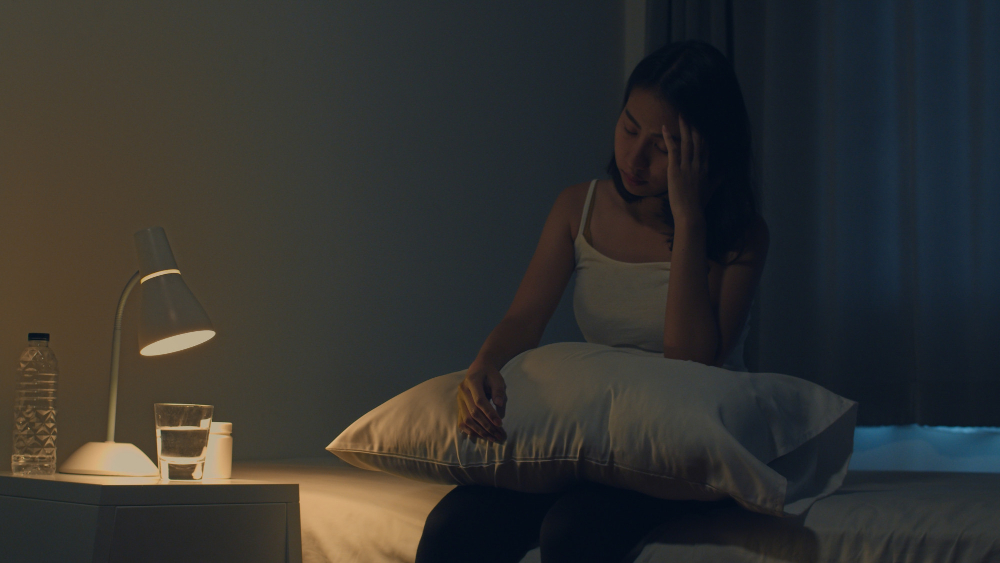
What is Nocturia?
Nocturia means waking up at night to urinate. Many people experience this problem. While it is common to wake up once, waking up two or more times can affect sleep. Because sleep is important for health, frequent urination at night can cause tiredness during the day. Nocturia is different from bedwetting. In nocturia, you wake up to use the bathroom. According to the World Health Organization, nocturia can affect adults of any age, but it is more common as people get older.
Common Symptoms of Nocturia
Not everyone with nocturia has the same symptoms. However, some signs are more common. For example, you may notice:Waking up one or more times each night to urinateFeeling a strong urge to urinate at nightDifficulty falling back asleep after urinatingFeeling tired during the day due to poor sleepSometimes, needing to rush to the bathroom at night
Because these symptoms can affect your daily life, it is important to understand what causes them.
Causes of Nocturia
There are many reasons why someone may have nocturia. In some cases, it is due to normal aging. However, other causes can include:Drinking too much fluid before bedtimeDrinking drinks with caffeine or alcohol in the eveningMedical conditions like diabetes or heart failureUrinary tract infections (UTIs)Enlarged prostate in menPregnancy in womenSleep problems, such as sleep apneaSome medicines, especially water pills (diuretics)
Because causes can vary, it is helpful to talk to a doctor if you notice frequent urination at night.
How Nocturia is Diagnosed
Doctors use several steps to diagnose nocturia. First, they will ask about your symptoms and health history. Next, they may ask you to keep a diary of your bathroom visits. This helps track how often you urinate at night and during the day. In addition, your doctor may:Check your blood and urine for signs of infection or other problemsAsk about your fluid intake and medicinesPerform a physical exam
Sometimes, further tests are needed. For example, your doctor may order an ultrasound to check your bladder or kidneys. Because accurate diagnosis is important, always share all symptoms with your healthcare provider.
Treatment Options for Nocturia
Treatment for nocturia depends on the cause. In many cases, simple changes can help. However, some people may need medicine or other treatments. Common nocturia treatments include:Limiting fluids in the eveningAvoiding caffeine and alcohol before bedTreating underlying health problems, such as diabetes or infectionsChanging the time you take certain medicines, like diureticsUsing medicines that help control bladder activity, if needed
Because each person is different, your doctor will suggest the best plan for you.
Lifestyle Tips for Managing Nocturia
Making small changes at home can help reduce nighttime urination. For example, you can try these tips:Drink most of your fluids earlier in the dayGo to the bathroom before going to bedKeep your bedroom easy to reach from the bathroomUse night lights to prevent fallsKeep a diary of your symptoms to share with your doctor
Because these steps are simple, many people find them helpful for managing nocturia.
Preventing Nocturia
While not all cases can be prevented, some steps may lower your risk. For instance, you can:Limit drinks with caffeine or alcohol, especially in the eveningMaintain a healthy weightManage health conditions like diabetes and high blood pressureStay active with regular exerciseTalk to your doctor about any new symptoms
Because early action can help, it is wise to address symptoms as soon as they appear.
Conclusion
If you are waking up often at night to urinate, do not ignore it. Schedule a urology checkup with Dr. AV Ravi Kumar to find the cause and get the right care.