
What Is Interstitial Cystitis?
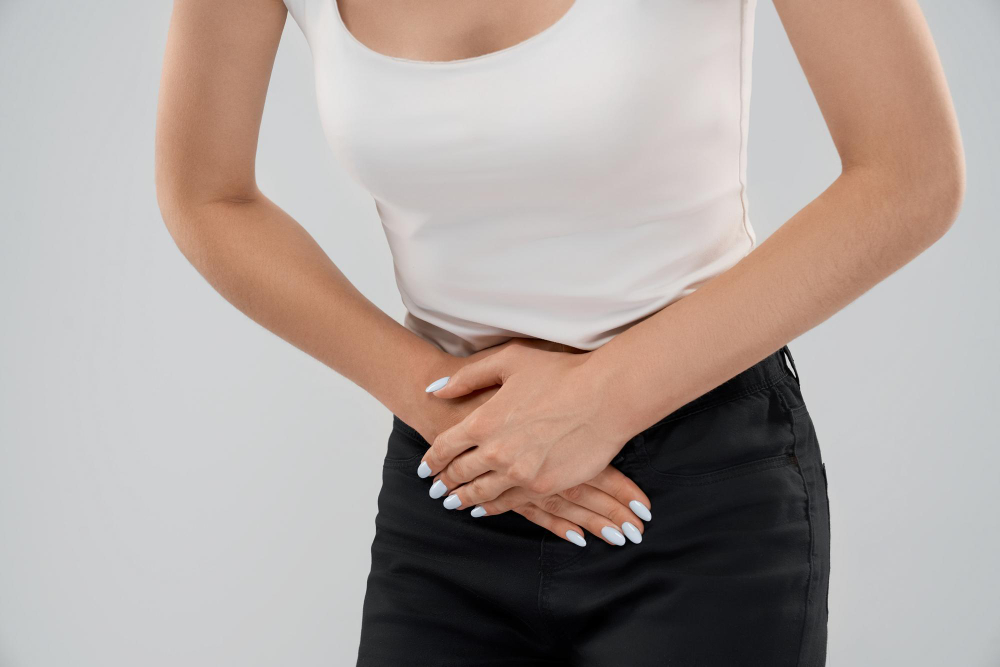
Interstitial cystitis, also called bladder pain syndrome, is a long-term condition. It causes pain and pressure in the bladder area. People with interstitial cystitis often feel the need to urinate often. In the United States, this condition affects both men and women, but it is more common in women. According to the CDC, millions of people may have symptoms of chronic bladder pain. While the exact cause is not known, interstitial cystitis can affect daily life. For many, it leads to discomfort and stress.
Common Symptoms of Interstitial Cystitis
People with interstitial cystitis may notice several symptoms. These can change over time. Sometimes, symptoms get worse during certain activities or stress. For example, some foods or drinks may trigger pain. Common IC symptoms include:Frequent urge to urinate, even at nightPain or pressure in the bladder or pelvic areaBurning feeling during urinationSmall amounts of urine each time you goPain during sexFeeling of fullness in the bladder, even after urinating
Additionally, symptoms can come and go. Some people have mild symptoms, while others have severe bladder pain.
Causes and Risk Factors
Doctors do not know the exact cause of interstitial cystitis. However, several factors may play a role. For instance, problems with the bladder lining might let urine irritate the bladder wall. Also, the immune system may attack the bladder by mistake. Other possible causes include nerve problems or past bladder infections.
There are risk factors that can raise your chance of getting interstitial cystitis:Being female, as women are more likely to develop ICHaving other chronic pain conditions, like irritable bowel syndromeFamily history of bladder pain syndromeAge, since most people are diagnosed in their 30s or older
Even though these factors increase risk, anyone can develop chronic bladder pain.
How Interstitial Cystitis Is Diagnosed
Doctors use several steps to diagnose interstitial cystitis. First, they ask about your symptoms and medical history. Next, they may do a physical exam. Because many bladder problems have similar symptoms, doctors often rule out other causes. For example, they may test for urinary tract infections or bladder stones.
To help with diagnosis, doctors may use:Urine tests to check for infection or bloodCystoscopy, which uses a thin tube to look inside the bladderBladder diary, where you record urination patterns and symptoms
Sometimes, doctors may do a bladder biopsy. This helps rule out other conditions, such as cancer. Early diagnosis is important for finding the right treatment for interstitial cystitis.
Treatment Options for Interstitial Cystitis
There is no single cure for interstitial cystitis. However, many treatments can help manage IC symptoms. Your doctor will suggest a plan based on your needs. Often, treatment for interstitial cystitis involves a mix of options. For example, you may try:Medications to reduce pain and inflammationBladder training to help control urinationPhysical therapy to relax pelvic musclesDiet changes to avoid foods that trigger symptomsBladder instillations, where medicine is placed directly in the bladderIn rare cases, surgery may be considered
Because each person is different, it may take time to find what works best. According to the National Institutes of Health, most people see some improvement with the right treatment plan.
Lifestyle Tips for Managing Interstitial Cystitis
Along with medical treatment, lifestyle changes can help reduce chronic bladder pain. For instance, keeping a symptom diary can help you spot triggers. Many people find that certain foods or drinks make symptoms worse. You can try these tips:Drink plenty of water, but avoid caffeine and alcoholEat a balanced diet low in spicy or acidic foodsPractice stress-reducing activities, such as gentle yoga or deep breathingWear loose, comfortable clothing to avoid pressure on your bladderTake regular breaks to rest during the day
Additionally, joining a support group can help you connect with others who understand your experience.
Preventive Strategies
While there is no sure way to prevent interstitial cystitis, some steps may lower your risk. For example, you can avoid bladder irritants, such as certain foods and drinks. Staying hydrated helps keep your bladder healthy. Also, practicing good bathroom habits, like not holding urine for too long, can help.Use the bathroom when you feel the urgeKeep your pelvic area clean and dryManage stress, as it can trigger IC symptomsTalk to your doctor if you notice any new bladder pain
Because early care can make a difference, it is important to pay attention to changes in your bladder health.