
What Is Pyelonephritis?
Pyelonephritis is a type of kidney infection. It happens when bacteria travel up from the bladder into one or both kidneys. This infection can cause pain, fever, and other symptoms. Pyelonephritis is a serious condition that needs quick treatment. If left untreated, it can damage the kidneys. People often search for “kidney infection symptoms,” “pyelonephritis causes,” and “pyelonephritis treatment” to learn more about this illness.
How Does Pyelonephritis Affect the Kidneys?
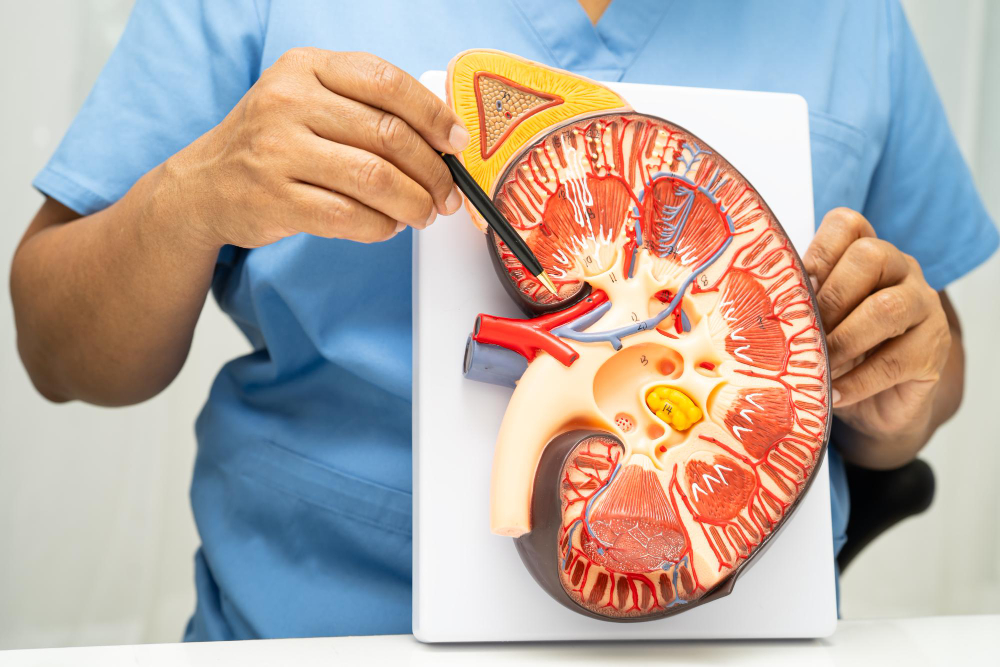
When bacteria reach the kidneys, they cause swelling and irritation. As a result, the kidneys may not work as well. Over time, untreated pyelonephritis can lead to scarring. This scarring can reduce kidney function. In severe cases, it may even cause kidney failure. Because the kidneys filter waste from the blood, any damage can affect your whole body. Therefore, it is important to treat kidney infections quickly.
Symptoms of Pyelonephritis
Pyelonephritis often causes symptoms that appear suddenly. However, some people may have mild signs. Watch for these common symptoms:Fever and chillsPain in the back, side, or groinFrequent urge to urinateBurning feeling when urinatingCloudy or foul-smelling urineBlood in the urineNausea or vomitingTiredness or weakness
Sometimes, children and older adults may have different symptoms. For example, they may feel confused or have stomach pain instead.
Causes and Risk Factors
Most cases of pyelonephritis are caused by bacteria, especially Escherichia coli (E. coli). These germs often come from the digestive tract. They enter the urinary tract and travel up to the kidneys. Several factors can raise your risk:Being female (women have shorter urinary tracts)Having frequent bladder infectionsBlockages in the urinary tract (such as kidney stones)Weakened immune systemPregnancyUsing a urinary catheterDiabetes
In some regions, poor access to clean water can increase the risk. According to the CDC, kidney infections are more common in women and older adults.
Diagnosis
Doctors use several steps to diagnose pyelonephritis. First, they ask about your symptoms and medical history. Next, they may do a physical exam. After that, you may need tests such as:Urine tests to check for bacteria or bloodBlood tests to look for infectionImaging tests like ultrasound or CT scan if needed
Early diagnosis helps prevent serious kidney damage. Therefore, it is important to see a doctor if you notice symptoms.
Treatment Options
Treating pyelonephritis usually involves antibiotics. Most people start to feel better within a few days. However, it is important to finish all prescribed medicine. In some cases, people may need to stay in the hospital. This is more common if the infection is severe or if the person cannot take pills. Treatment may include:Antibiotic pills or injectionsPain relievers for discomfortDrinking plenty of fluids
Rarely, surgery may be needed if there is a blockage or abscess. The CDC and WHO recommend quick treatment to avoid kidney damage.
Prevention Tips
There are simple steps you can take to lower your risk of pyelonephritis. For example, you can:Drink plenty of water every dayUrinate often and do not hold it inWipe from front to back after using the toiletUrinate after sexual activityAvoid using harsh soaps or sprays near the genitalsManage health conditions like diabetes
These habits can help keep your urinary tract healthy.
When to See a Doctor
It is important to seek medical help if you have symptoms of a kidney infection. For instance, see a doctor if you have:High fever with chillsSevere pain in your back or sideBlood in your urineNausea or vomiting that will not stop
Early treatment can prevent serious problems. Do not wait if you feel very unwell.
Conclusion
Pyelonephritis is a serious kidney infection that needs quick care. While symptoms can be mild or severe, early treatment helps protect your kidneys. If you think you may have a kidney infection, consult a healthcare professional Dr. AV Ravi Kumar for personalized advice.