
Introduction
Bladder cancer is a serious health condition that affects thousands of people each year. In the United States, it is one of the most common cancers. Knowing bladder cancer symptoms can help you spot early warning signs. Early detection often leads to better outcomes. For this reason, it is important to learn what to watch for and when to seek help.
What Is Bladder Cancer?
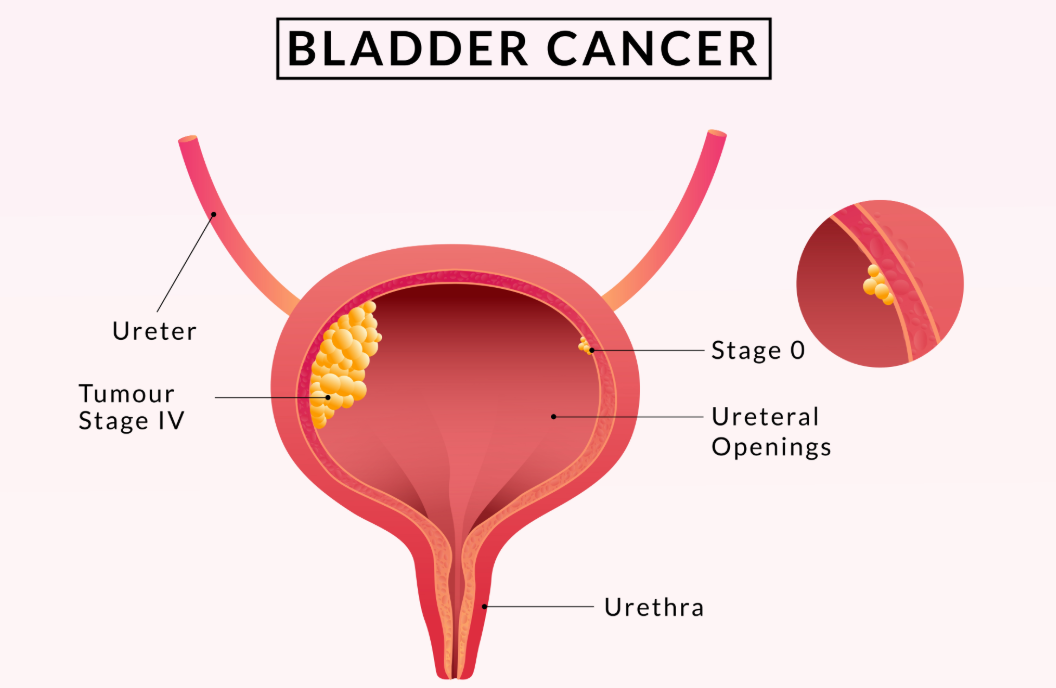
Bladder cancer starts when cells in the bladder grow out of control. The bladder is a hollow organ in your lower belly. It stores urine before it leaves your body. Cancer can form in the lining of the bladder and may spread if not treated early. According to the CDC, most cases are found in adults over 55 years old.
Why Early Detection Matters
Early detection of bladder cancer can make a big difference. When found early, treatment is often more successful. In many cases, people can return to normal life after treatment. However, if cancer spreads, it becomes harder to treat. That is why knowing the early signs of bladder cancer is so important.
Common Symptoms of Bladder Cancer
Many bladder cancer symptoms can be mistaken for other health issues. Still, you should not ignore them. Here are some common bladder cancer warning signs:Blood in urine (even a small amount)Urine that looks pink, red, or brownPain or burning during urinationNeeding to urinate more often than usualFeeling a strong urge to urinate, even when your bladder is not fullDifficulty urinating or weak urine streamLower back pain, especially on one side
For example, blood in urine is often the first sign. However, it may come and go. Do not ignore these symptoms, even if they seem mild.
When to See a Doctor
If you notice any early signs of bladder cancer, you should see a doctor right away. Especially if you see blood in your urine, do not wait. Sometimes, these symptoms are caused by infections or other problems. Still, only a healthcare specialist can find the real cause. Early testing can help rule out cancer or catch it early.
Risk Factors for Bladder Cancer
Some people have a higher risk of developing bladder cancer. Knowing your risk can help you stay alert. Here are some common risk factors:Smoking tobaccoBeing over 55 years oldExposure to certain chemicals at workFamily history of bladder cancerChronic bladder infectionsPrevious cancer treatments with certain drugs or radiation
For instance, smoking is the biggest risk factor. In fact, smokers are at least three times more likely to get bladder cancer than non-smokers (CDC).
How Bladder Cancer Is Diagnosed
Doctors use several tests to diagnose bladder cancer. First, they may ask about your symptoms and medical history. Next, they might do a urine test to check for blood or cancer cells. Sometimes, imaging tests like ultrasound or CT scans are used. In many cases, a procedure called cystoscopy is done. During this test, a thin tube with a camera is placed into the bladder to look for tumors. If needed, a small sample of tissue (biopsy) is taken for further testing.
Prevention and Lifestyle Tips
While not all cases can be prevented, you can lower your risk. Here are some helpful tips:Quit smoking and avoid tobacco productsDrink plenty of water each dayLimit exposure to harmful chemicals at workEat a healthy diet rich in fruits and vegetablesSee your doctor for regular check-ups, especially if you have risk factors
By making healthy choices, you can help protect your bladder and overall health.
Conclusion
In summary, knowing bladder cancer symptoms and early warning signs can save lives. If you notice any changes, such as blood in urine or pain during urination, do not ignore them. When in doubt, consult Dr.AV Ravi Kumar for personalized advice. Early action can make all the difference.