
What Are Kidney Cysts?
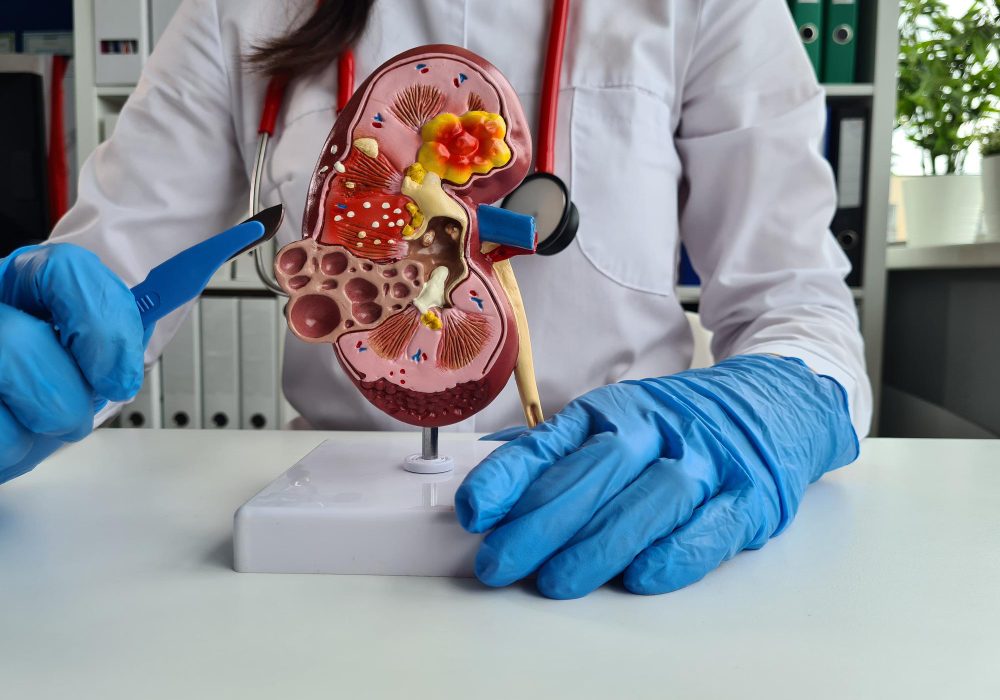
Kidney cysts are fluid-filled sacs that form in or on the kidneys. Most often, these are called simple kidney cysts. They are quite common, especially as people get older. According to the National Institutes of Health, about half of people over age 50 may have at least one kidney cyst. Usually, these cysts are harmless and do not cause symptoms. However, some cysts can become large or lead to problems.
Common Symptoms of Kidney Cysts
Many people with kidney cysts do not notice any symptoms. In fact, most simple kidney cysts are found by chance during imaging tests for other reasons. Still, some people may notice signs if the cyst grows or causes issues. For example, you may experience:Pain in your side or backFever, if the cyst becomes infectedBlood in your urineFrequent urge to urinateHigh blood pressure
However, these symptoms can also be caused by other kidney problems. Because of this, it is important to see a doctor if you notice any of them.
Causes and Risk Factors
Although the exact cause of simple kidney cysts is not always clear, age is a major risk factor. As people age, their risk increases. Additionally, men are more likely than women to develop kidney cysts. Family history can also play a role. Some rare conditions, such as polycystic kidney disease, cause many cysts to form and can lead to kidney damage. However, most kidney cysts are not inherited and do not cause harm.
How Kidney Cysts Are Diagnosed
Doctors often find kidney cysts by accident during tests like ultrasound or CT scans. For example, you might have an imaging test for back pain, and the doctor sees a cyst. If a cyst is found, your doctor may order more tests to check its size and shape. These tests help decide if the cyst is simple or if it needs more attention. Sometimes, blood or urine tests are done to check kidney function.
When Do Kidney Cysts Need Treatment?
Most simple kidney cysts do not need treatment. In many cases, doctors just watch them over time. However, there are times when kidney cyst treatment is needed. For instance, you should see a urology specialist if:The cyst causes pain or discomfortYou have blood in your urineThe cyst gets very largeThere are signs of infection, such as fever or chillsYour doctor suspects the cyst is not simple or may be cancerous
When to worry about kidney cysts depends on your symptoms and test results. If you have any concerns, always talk with your doctor.
Treatment Options for Kidney Cysts
When treatment is needed, there are several safe options. The choice depends on the size, type, and symptoms of the cyst. Common kidney cyst treatment options include:Observation: Many cysts are watched with regular scans to check for changes.Drainage: A doctor may use a needle to drain the cyst if it is causing pain.Surgery: Rarely, surgery is needed to remove large or complex cysts.Antibiotics: If the cyst is infected, antibiotics may be used.
Most people recover well after treatment. However, your doctor will guide you on the best option for your situation.
Preventive Measures and Lifestyle Tips
While you cannot always prevent kidney cysts, you can take steps to keep your kidneys healthy. For example, you can:Drink enough water each dayEat a balanced diet with fruits and vegetablesLimit salt and processed foodsManage blood pressure with regular check-upsAvoid smoking and limit alcoholSee your doctor for regular health checks
Because simple kidney cysts are common, regular check-ups help catch any changes early. If you have a family history of kidney problems, let your doctor know. This way, you can get the right advice and care from a urology specialist if needed.